

Students with learning differences often face more anxiety in school. The link between anxiety and learning disabilities is well-established — and recognizing the signs early can make a big difference in a child’s academic success and overall well-being. If you’re wondering whether your child’s school struggles are connected to a deeper learning challenge, you’re not alone. Read our guide on ADHD and Learning Disabilities to understand how these conditions overlap.
Key Takeaways
- Students with learning differences are more prone to anxiety because of the extra effort required to keep up and the confusion when school feels hard.
- Anxiety can show up in various ways, from physical complaints like stomachaches to behavioral issues and avoidance of schoolwork.
- The cycle of anxiety, avoidance, and falling behind can trap students, making it harder for them to succeed academically.
- Parents and teachers might miss signs of anxiety, especially when they overlap with learning challenges, making early identification important.
- Targeted support, including understanding a child’s learning profile, specialized tutoring, and executive function coaching, can break the anxiety cycle.
Why Students With Learning Differences Are More Vulnerable to Anxiety
It’s no secret that school can be tough. For students with learning differences, though, the daily grind often comes with an extra layer of stress that can really wear them down. Think about it: they’re already working harder just to keep up with lessons, assignments, and expectations that might not be designed with their specific needs in mind. This constant effort, this feeling of always being a step behind, can be exhausting.
The Constant Effort of “Keeping Up” Wears Kids Down
When a child has a learning difference, like dyslexia or ADHD, their brain processes information differently. This isn’t a matter of trying harder; it’s a fundamental difference in how they learn. So, while other kids might grasp a concept quickly, a student with a learning difference might need more time, different explanations, or an altogether different approach. This can lead to a persistent feeling of being overwhelmed. Imagine trying to run a race with a weighted vest on – you’re putting in maximum effort, but you’re not moving as fast as everyone else. This disparity can chip away at a child’s confidence over time, making them feel inadequate even when they’re giving it their all. This is a big reason why anxiety and learning disabilities so frequently go hand-in-hand, and why school anxiety learning disabilities specialists see these patterns in students of all ages.
When a Child Doesn’t Know Why School Feels Hard, Fear Fills the Gap
Sometimes, a learning difference isn’t identified early on. In these cases, a child might just feel like school is a confusing, frustrating place where they consistently struggle. They don’t have a clear reason for their difficulties, and that uncertainty can be terrifying. Without understanding why they’re finding things hard, their minds can start to fill in the blanks with negative explanations. They might believe they’re not smart enough, not trying hard enough, or that something is fundamentally wrong with them. This lack of understanding can breed a deep-seated fear of failure and a general dread of anything related to school. This fear is a breeding ground for anxiety, making the academic environment feel like a constant threat. For many students, this unresolved confusion is the root cause of learning differences and school avoidance — where refusing to go to school isn’t defiance, but a survival response to daily fear.
How Anxiety Shows Up Differently in Kids With Learning Differences

It’s easy to miss, but anxiety in kids with learning differences often looks different than in their peers. It’s not always about outright worry; sometimes, it’s more subtle, showing up in ways that can be mistaken for something else entirely. For instance, a child might complain of a stomachache every morning before school, or suddenly become really irritable when a pop quiz is announced. These aren’t just ‘behavioral issues’; they can be clear signals of underlying stress related to academic pressures. Learning differences school avoidance can stem from this kind of anxiety.
Physical Signs You Might Be Misreading as “Just Behavior”
Kids, especially younger ones, often can’t articulate their feelings of anxiety. Instead, their bodies do the talking. Think about frequent headaches, persistent stomachaches, or even just seeming unusually tired or sluggish on school days. These physical complaints, particularly when they spike around school time, are worth paying attention to. It’s a way for their system to signal that something feels off, and often, that ‘something’ is anxiety about keeping up or performing well. These physical symptoms are a common way anxiety can manifest in students with learning differences. If you’re noticing a pattern, our post on recognizing when your child needs extra academic support can help you know what to do next.
Signs of Anxiety in Kids With Dyslexia: What Parents Often Miss
For children with dyslexia, the constant effort to decode words and comprehend text can be exhausting. This can lead to specific anxiety triggers. You might see:
- Reluctance to read aloud: Fear of stumbling over words or being judged.
- Avoidance of written tasks: Especially those that require a lot of writing or spelling.
- Frustration and giving up easily: When faced with reading or writing assignments that feel overwhelming.
- Perfectionism: Trying to make up for perceived weaknesses by being overly careful, which can be exhausting.
The pressure to keep up with peers who read more easily can be immense. This constant internal battle can manifest as irritability or withdrawal, especially when reading or writing is involved. It’s not about being lazy; it’s about managing a significant cognitive load. These are among the most overlooked signs of anxiety in kids with dyslexia — and they’re easy to mistake for attitude or lack of effort.
ADHD and Anxiety in the Classroom: Why They Look So Much Alike
ADHD and anxiety in the classroom often go hand-in-hand, and it can be tricky to tell them apart. A child with ADHD might struggle to focus, seem restless, or have trouble organizing their thoughts. Anxiety can cause similar symptoms. For example, a child might fidget because they’re anxious about being called on, not just because they have ADHD. Or, they might seem easily distracted because their mind is racing with worries.
It’s a bit of a tangled web. Anxiety can make ADHD symptoms worse, and the challenges of ADHD can certainly fuel anxiety.
Here’s a quick look at how they might overlap:
| Symptom | Possible ADHD Cause | Possible Anxiety Cause |
|---|---|---|
| Difficulty focusing | Impaired attention regulation | Worrying about performance, fear of mistakes |
| Restlessness | Need for movement, impulsivity | Physical manifestation of nervous energy, feeling trapped |
| Avoidance | Difficulty initiating tasks, disorganization | Fear of failure, feeling overwhelmed, dread of difficulty |
| Irritability | Impulsivity, frustration with challenges | Feeling overwhelmed, unable to cope, constant worry |
Understanding these nuances is key. When we misinterpret anxiety as just a symptom of ADHD, or vice versa, we miss the chance to provide the right kind of support. ADHD and anxiety in the classroom is one of the most commonly misread dynamics in education — and it can leave kids without the help they actually need. If you’re not sure where your child’s symptoms fall, our ADD & ADHD Screening guide can help clarify the picture.
The Cycle That Keeps Students Stuck — Anxiety, Avoidance, and Falling Behind
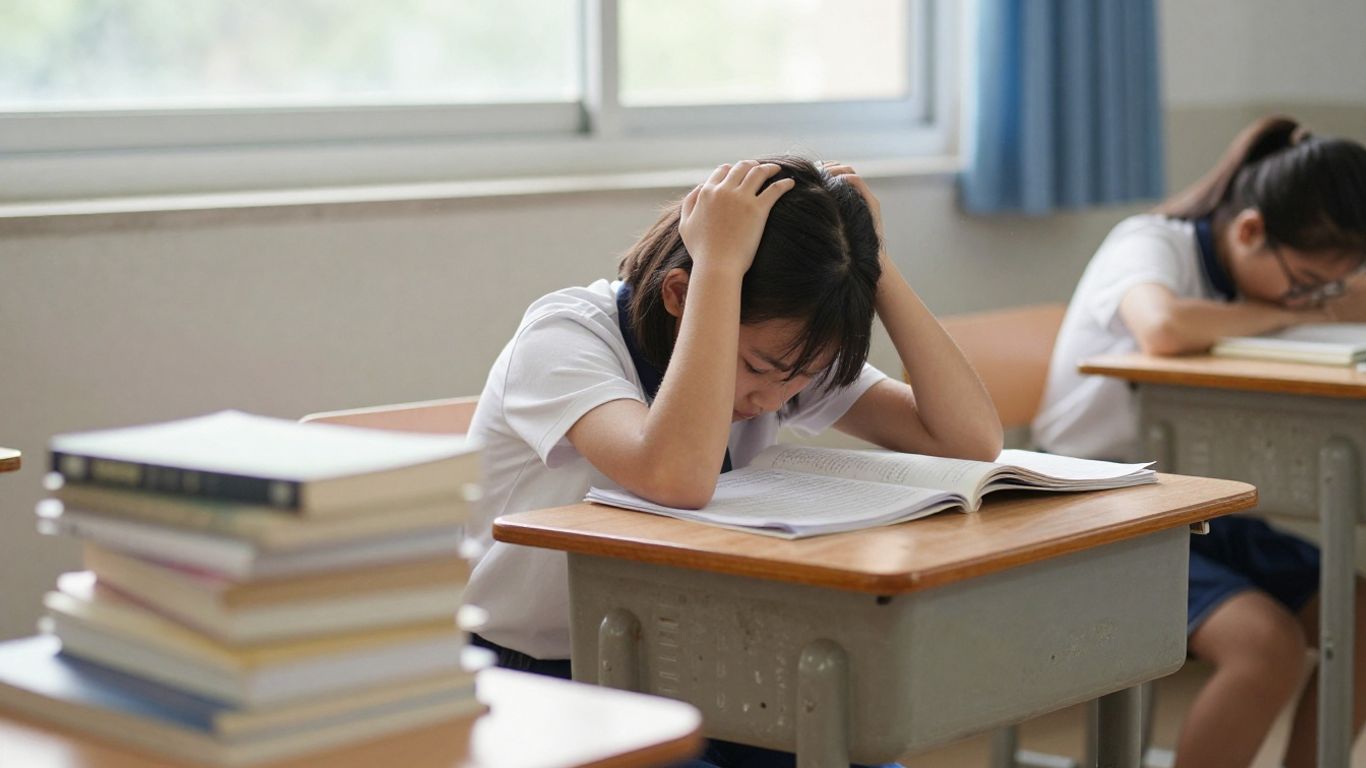
It’s a tough cycle, isn’t it? A student with a learning difference might struggle with a task, feel anxious about not getting it right, and then try to avoid doing it altogether. This avoidance, while offering temporary relief from the anxiety, inevitably leads to falling further behind. Think about it: if a child dreads math because it feels impossibly hard, they might put off homework, skip practice problems, or even try to tune out during math class. This doesn’t make the math any easier; it just makes the gap between them and their peers wider.
This pattern creates a feedback loop where the initial difficulty and anxiety snowball into a much bigger problem. The more they avoid, the less they learn, and the more anxious they become about future tasks. It’s like trying to climb a hill that keeps getting steeper the longer you wait to start.
Here’s how this cycle often plays out:
- Initial Struggle: A learning difference makes a specific academic task harder than it is for others.
- Anxiety Builds: The student worries about failing, being judged, or not keeping up.
- Avoidance Kicks In: To escape the uncomfortable feelings, the student puts off the task, rushes through it poorly, or finds excuses not to do it.
- Falling Behind: The avoided or poorly done work leads to missed learning and lower grades.
- Increased Anxiety: The growing academic gap fuels more worry, making the next struggle even more daunting.
This cycle can be particularly hard to spot because the avoidance might look like laziness or defiance. But often, it’s a desperate attempt to manage overwhelming feelings. The fear of failure can be so intense that it paralyzes the student, making any progress seem impossible. This is why understanding the root cause is so important; without it, interventions might miss the mark entirely, leaving the student trapped in a pattern of learning differences and school avoidance that grows harder to break with every passing school year.
When a student consistently avoids certain subjects or tasks, it’s rarely about a lack of effort. More often, it’s a sign that the anxiety associated with that task has become too overwhelming to face directly. The perceived risk of failure or embarrassment outweighs the desire to succeed, leading to a protective, albeit counterproductive, strategy.
What Parents and Teachers Often Miss (And Why It Matters)
Sometimes, the signs that a student is struggling with anxiety, especially when it’s tied to a learning difference, can be really subtle. It’s easy to brush off a child’s complaints as just being difficult or lazy, but often there’s a lot more going on beneath the surface. When learning disabilities aren’t identified, kids can feel a constant pressure to keep up, and that can lead to a lot of emotional distress. This distress can sometimes be the first clue that something deeper is going on with their learning needs.
Late-Identified Learning Differences and Accumulated Anxiety
Think about it: a child who’s been trying to make sense of school without understanding why it feels so hard is essentially running a marathon with a hidden injury. They might be working twice as hard just to get by, and that constant effort wears them down. This can lead to a build-up of anxiety over time, a kind of emotional baggage that gets heavier with each passing year. This accumulated anxiety can make it even harder for them to engage with learning, even when they finally get the right support. It’s like trying to build a house on shaky ground; the foundation needs to be solid first.
- Academic Struggles: Grades might dip, or performance can become really inconsistent. They might spend ages on homework but not get much done, or give up really fast when things get tough.
- Behavioral Clues: You might see more irritability, especially on school days. Sleep or eating patterns could change, and they might complain a lot about headaches or stomachaches that seem to get worse when school is involved.
- Emotional Reactions: Strong emotional outbursts when getting feedback on schoolwork, or a general reluctance to even talk about school or homework, can be big indicators.
It’s tough for parents and teachers to tell if these are just typical kid issues or if they’re linked to an undiagnosed learning difference and the anxiety that comes with it. Getting a clear picture often requires looking at the whole child and sometimes consulting with professionals who understand both learning challenges and anxiety. This is why getting a proper learning differences and ADHD testing assessment is so important — it’s the clearest way to understand whether anxiety and learning disabilities are both at play, and where to start.
How the Classroom Environment Amplifies or Reduces Anxiety
The school environment itself plays a huge role. A classroom that’s too fast-paced, lacks clear instructions, or doesn’t offer different ways to show understanding can really ramp up anxiety for students with learning differences. On the flip side, a supportive classroom can be a game-changer. Teachers who are aware of these challenges can make small adjustments that have a big impact. For instance, providing clear, step-by-step instructions, allowing extra time for tasks, or offering choices in how students demonstrate their knowledge can make a world of difference. It’s about creating a space where students feel safe to try, even if they make mistakes. This kind of environment can help reduce the fear of failure that often accompanies learning challenges and can be a key factor in helping students feel more secure about their academic journey.
When a child doesn’t know why school feels hard, fear often fills that gap. This fear can make them avoid tasks, which then leads to them falling further behind, creating a cycle that’s tough to break without understanding the root cause.
How the Right Support Breaks the Anxiety-Avoidance Cycle
It’s tough seeing your child stuck in a loop where anxiety leads to avoiding schoolwork, which then makes them fall further behind, fueling more anxiety. But there are ways to help them break free from this cycle. It’s not about just pushing them harder; it’s about giving them the right tools and a supportive environment.
Starting With a Learning Profile Assessment
Before you can really help, you need to know what you’re helping with. A learning profile assessment is like getting a detailed map of your child’s strengths and challenges. It goes beyond just identifying a learning difference; it looks at how they learn best, what trips them up, and how their anxiety plays into all of it. This detailed picture is the first step to tailoring support that actually works, and it’s the most important tool for untangling anxiety and learning disabilities from each other. At QWERTY, we offer both Learning Differences and ADHD Testing and an Online Learning Profile Assessment to help families get this clarity fast.
Specialized Tutoring That Builds Confidence, Not Just Skills
Tutoring can sometimes feel like more pressure, especially if it’s just more of the same stuff that makes them anxious. But specialized tutoring is different. It focuses on building skills in a way that makes sense for your child’s learning style, and importantly, it aims to build their confidence. Think of it as teaching them how to learn and succeed, not just drilling them on facts. This approach helps them feel more capable, which is a direct antidote to anxiety. It’s about celebrating small wins and showing them they can do it, one step at a time. This kind of support can be a game-changer for kids who feel like they’re always behind. QWERTY’s tutoring for students with learning differences and ADHD is built exactly around this approach — skills and confidence together.
Executive Function Coaching as an Anxiety Reducer
Executive functions are those brain skills we use to plan, organize, manage time, and stay focused. For many kids with learning differences, these skills don’t come naturally, and struggling with them can be a huge source of anxiety. Executive function coaching teaches practical strategies to manage these challenges. This might include breaking down big projects, using planners effectively, or learning how to start and finish tasks without getting overwhelmed. By giving kids concrete tools to manage their schoolwork and daily routines, you reduce the uncertainty and unpredictability that often fuels anxiety. QWERTY’s Executive Functions Coaching (PEG) program is designed specifically for students with learning differences who need structure, not just encouragement.
. It helps them feel more in control of their learning and their day, which is a big relief.
When kids feel equipped to handle the demands of school, their anxiety naturally lessens. It’s about building their capacity and their belief in themselves.
Here are some ways to start implementing these supports:
- Break Down Tasks: Help your child divide large assignments into smaller, more manageable steps. This makes the work feel less daunting.
- Use Visual Aids: Employ visual schedules and checklists. These provide structure and help reduce anxiety about forgetting important tasks or steps.
- Teach Study Skills Directly: Many anxious students benefit from explicit instruction in how to take notes, prepare for tests, and organize their materials. This isn’t always intuitive.
- Focus on Effort and Progress: Celebrate improvement and effort, not just grades. This shifts the focus from perfection to growth, which is much healthier for anxious minds. This approach helps them confront and overcome their fears, rather than retreating from them, which is key to managing anxiety effectively.
Sometimes, traditional school settings can be overwhelming. For students with significant anxiety and learning differences, specialized educational environments might offer smaller class sizes, staff trained in both learning differences and emotional support, and structured routines that reduce unpredictability. These settings are designed to build confidence alongside academic skills, focusing on the whole child.
What You Can Do Right Now If You’re Worried About Your Child
It’s tough seeing your child struggle, especially when anxiety seems to be a big part of their school day. The good news is, there are concrete steps you can take right now to help. Your calm and consistent support makes a huge difference.
First off, try to create a predictable and calm environment at home. This might mean setting up a dedicated, quiet space for homework, free from distractions. Having a routine, especially around school mornings and evenings, can also really help.
Here are a few things to focus on:
- Break down tasks: Big assignments can feel overwhelming. Help your child break them into smaller, more manageable steps. Think of it like eating an elephant one bite at a time.
- Teach coping skills: Simple things like deep breathing exercises or even just acknowledging their feelings can go a long way. Help them practice saying positive things to themselves, like “I can try my best” instead of “I’m going to fail.”
- Communicate with the school: Don’t go it alone. Talk to teachers and school counselors. Share what you’re seeing at home and ask about strategies that work for your child in the classroom. Understanding their specific learning profile is key to finding the right support.
Sometimes, the biggest hurdle is just getting started. If your child is avoiding schoolwork, focus on small, achievable goals. Celebrate any effort they make, no matter how small it seems. This builds momentum and confidence.
If things feel really overwhelming, don’t wait. Call QWERTY Education Services at (650) 456-9703 for a no-cost phone consultation — our team has been helping students with anxiety and learning disabilities succeed since 1976. Don’t hesitate to also seek professional help from a child psychologist or educational therapist. A child psychologist or an educational therapist can offer specialized strategies. Sometimes, just getting an outside perspective can be incredibly helpful. You can find resources for supporting a child experiencing school anxiety online, which might offer more specific advice tailored to your situation. Remember, addressing anxiety is a process, and seeking help is a sign of strength for both you and your child.
Conclusion
The connection between anxiety and how students with learning differences perform in school is pretty clear. It’s not just in their heads; it really affects their ability to learn and feel good about themselves. But the good news is, with the right help, these kids can totally overcome these hurdles. By understanding what’s going on and putting some thoughtful strategies into place, parents and teachers can make a huge difference. It’s about creating a supportive space where learning differences are understood and anxiety is managed, so students can focus on what they do best and feel confident doing it. Remember, helping your child with this is a process, but with patience and the right approach, students dealing with anxiety and learning disabilities can absolutely thrive, both in school and in life. If you’re ready to take the next step, contact QWERTY Education Services today. We’ll help you understand your child’s learning profile and build a plan that actually works.
Frequently Asked Questions
Why are students with learning differences more likely to feel anxious at school?
The connection between anxiety and learning disabilities is rooted in daily effort. Kids with learning differences have to work significantly harder just to keep up with peers. When they don’t understand why school feels so hard, that confusion turns into fear — and fear turns into anxiety. The uncertainty itself becomes the trigger.
How can anxiety look different in a student with a learning disability?
Anxiety can show up in ways that might seem like just behavior problems. For example, a child might get headaches or stomachaches often, especially on school days. They might get really upset about small mistakes or avoid doing homework altogether. It’s not always obvious worry; sometimes it’s physical or behavioral.
What’s the connection between anxiety and falling behind in school?
When kids are anxious, their brains get stuck thinking about their worries. This makes it hard to focus, remember things, or solve problems – all things you need to do in school. So, they might avoid difficult tasks, which leads to falling further behind, and that makes them even more anxious. It’s a tough cycle.
Can teachers and parents miss signs of anxiety in these students?
Yes, they can. Sometimes, the signs of anxiety look a lot like the challenges a student already faces because of their learning difference. It can be hard to tell what’s what. Also, some kids are really good at hiding their worries, so adults might not realize how much a student is struggling inside.
What kind of support actually helps reduce anxiety for these students?
Support that really helps usually looks at the whole picture. This means understanding exactly how the student learns best (their learning profile), giving them tutoring that builds their confidence, not just skills, and teaching them how to manage their tasks and time better, which is called executive function coaching. These things help them feel more in control.
Is it okay for my child to feel some stress about school?
A little bit of stress can actually be good; it can help you focus and do your best. But when that stress turns into constant worry, makes it hard to sleep, or stops you from enjoying things, it’s gone too far. If you’re feeling this way a lot, it’s a sign that you might need some extra help to feel better.
![[Strategy]: Helping Students With Memory Challenges](https://qwertyed.com/wp-content/uploads/2016/04/Homework-400x250.webp)