We have previously written about Social-Emotional Learning skills, introducing them here, discussing their importance here, and suggesting ways to promote them here. Today we add to that discussion by suggesting 6 practical strategies to improve this critical battery of skills.
Remember: Social Emotional Skills Matter
There is a growing awareness of how social and emotional development plays a role in student performance. These skills can help determine if a child is well equipped to meet the demands of a classroom, if they will be able to engage fully in learning, and if they will benefit from instruction. Research strongly suggests that SEL can have a positive impact on school climate through academic, social and emotional benefits for students.
A recent study by Durlak, Weissberg et al. analyzed 213 schools with an SEL program. Students receiving quality SEL instruction demonstrated:
- better academic performance: achievement scores an average of 11 percentile points higher than students who did not receive SEL instruction;
- improved attitudes and behaviors: greater motivation to learn, deeper commitment to school, increased time devoted to schoolwork, and better classroom behavior;
- fewer negative behaviors: decreased disruptive class behavior, noncompliance, aggression, delinquent acts, and disciplinary referrals; and
- reduced emotional distress: fewer reports of student depression, anxiety, stress, and social withdrawal.
6 Ways To Jumpstart Your Child’s SEL
- Give words to feelings
-How are you feeling right now? Give your child a list of emotions to choose from.
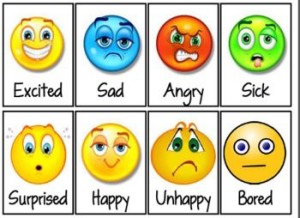
-Where are you feeling it in your body? Your child may feel it in their belly, heart or head.
-What do you think caused it? Help your child think it through.
- Find your child’s triggers
-Are transitions between activities difficult? Give 5 -minute warnings before switching activities, or arrange downtime between activities.
-Is getting dressed in the morning a struggle? Perhaps use of a picture schedule will help them to know what is expected.

- Encourage healthy ways of coping
-Use a ‘calming’ jar for breaks.

-Directly teach activities, such as breathing, visualization, ear rub, or calming yoga pose.

- Brainstorm specific coping strategies
-When I’m angry I can jump on the trampoline.

-When I’m stuck on a math problem I’ll listen to two songs then try again.
-When I’m feeling anxious I can go for a run.
- Be present and understanding
-Model active listening, ask related questions and keep your focus on them.
- Seek help when needed
-It’s OK and healthy to seek help from professionals (Tutors, homework buddy, specialists, doctor, counselors, coaches) to teach your child coping strategies.

Two orange men at a wooden table pondering a problem together.