Finding “a tutor” is easy. Finding a tutor who actually knows how to teach a child with dyslexia to read is a different search entirely, and it’s easy to waste months (and money) with someone who means well but isn’t trained in the methods that make a real difference. This guide walks through exactly what qualifications matter, what questions to ask before you commit, and which red flags mean it’s time to look elsewhere.
Key Takeaways
- Dyslexia tutoring is a specialized skill, not a general tutoring skill; look for structured literacy training specifically.
- The right tutor can explain their method and show you how progress is measured, not just describe “our approach.”
- A tutor who relies mainly on repetition, memorization, or “just more practice” is a warning sign, not a solution.
- Getting the right tutor sooner, rather than after months of trial and error, makes a measurable difference in a child’s reading confidence.
What Makes Dyslexia Tutoring Different From Regular Tutoring?
Dyslexia affects how the brain processes the sounds and symbols that make up written language, so a child can be bright, curious, and hardworking and still struggle to decode words that classmates read easily. General subject tutoring, even good general tutoring, isn’t built to address this. It usually assumes a student can already decode text and just needs help understanding the content.
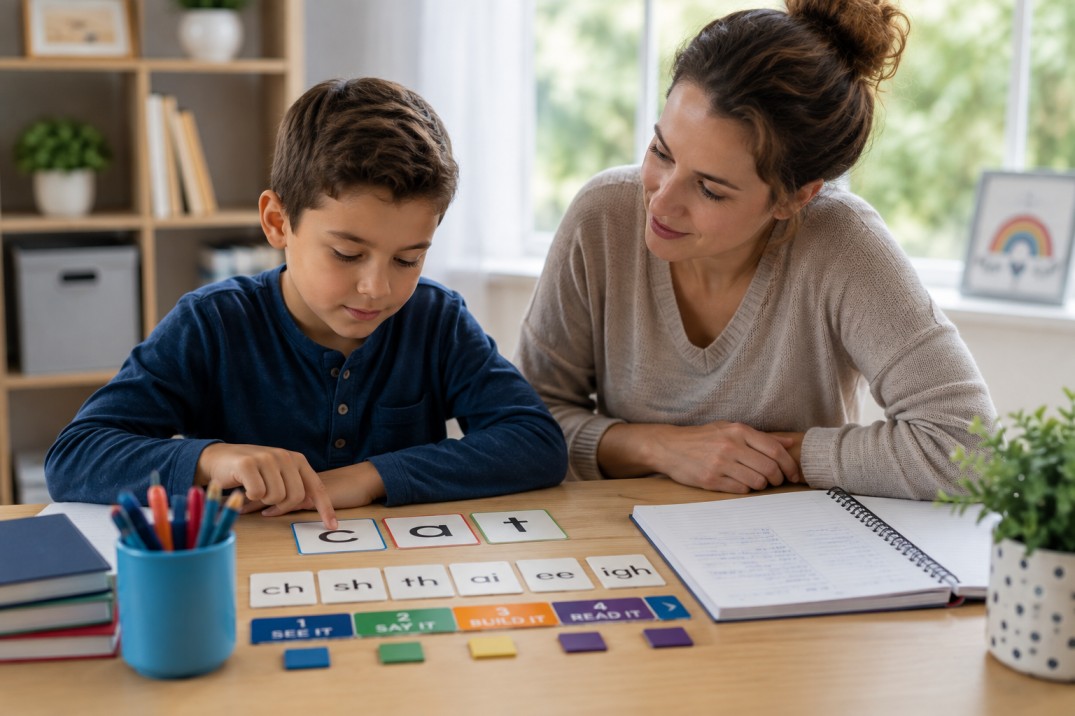
A tutor trained specifically in dyslexia intervention teaches reading itself: how sounds map to letters, how words break into smaller parts, and how to build those skills in a deliberate, cumulative sequence. The International Dyslexia Association calls this approach Structured Literacy, and it’s considered essential, not optional, for students with dyslexia.
What to Look For in a Dyslexia Tutor
The single biggest factor in whether tutoring works is whether the tutor is trained in an approach that’s actually designed for dyslexia. Everything else, personality fit, scheduling, cost, matters, but it matters less than this.
Most students also benefit from meeting two to three times per week, since reading skills build cumulatively and long gaps between sessions can slow retention. A good tutor should be able to explain why they’re recommending a particular frequency for your child specifically, not applying a default schedule to everyone.
Structured Literacy or Orton-Gillingham Training
Look specifically for tutors trained in Structured Literacy or Orton-Gillingham-based programs (Wilson Reading System, Barton, and similar approaches all fall under this umbrella). Ask directly: “What program or training are you certified in?” A vague answer like “I use a phonics-based approach” isn’t the same as formal training in one of these systems.
Multisensory Teaching Methods
Effective dyslexia instruction typically engages sight, sound, and touch at the same time, such as tracing a letter while saying its sound aloud. This isn’t a gimmick; it’s a core part of how structured literacy programs build durable memory for sound-symbol relationships. If a tutor can’t describe how they incorporate multisensory teaching, ask why not.
Experience With Reading, Writing, and Spelling Specifically
General tutoring experience doesn’t transfer automatically. Ask how many students with dyslexia the tutor has worked with, what grade levels, and whether they track specific reading skills like phonemic awareness, decoding, and fluency, not just overall grades. A tutor who can describe how they measure a student’s decoding accuracy over time is showing you real expertise, not just enthusiasm. QWERTY’s tutoring for students with learning differences and ADHD is built around this kind of individualized, skill-specific progress tracking.
Questions to Ask Before Hiring a Tutor
A short conversation before you commit can save months of mismatched effort. Ask:
- What specific training or certification do you have in structured literacy or Orton-Gillingham?
- How do you assess a student’s current reading level before starting?
- What does a typical session look like, step by step?
- How will I know if it’s working, and how often will I get updates?
- Have you worked with students with a similar profile to my child’s (age, severity, co-occurring ADHD or anxiety)?
A tutor confident in their approach will answer these clearly and specifically. Vague or defensive answers are worth paying attention to.
Red Flags to Avoid When Choosing a Tutor
Some warning signs are easy to miss if you’re new to this search:
- “I just use a lot of repetition and practice worksheets.” Repetition alone doesn’t address the underlying processing difference that makes reading hard for a dyslexic student.
- No formal training in a named program. “I’ve read a lot about it” is not the same as certification in Orton-Gillingham, Wilson, or a similar structured literacy program.
- No way to show progress data. If a tutor can’t describe how they’re tracking specific skills over time, you have no way to know if the approach is working until report cards arrive, which is too late.
- Reluctance to communicate with your child’s school or evaluator. Good dyslexia tutors are usually willing to coordinate with teachers or the professional who diagnosed your child, since consistency across settings matters.
- One-size-fits-all pacing. Dyslexia support should adjust to your child’s specific gaps, not follow a fixed curriculum regardless of where the student is starting from.

Tutor vs. Reading Specialist vs. Educational Therapist
These roles sound similar but aren’t identical. A tutor typically works on specific skills in regular sessions, often outside school hours. A reading specialist may work within a school setting and often has formal certification in reading intervention. An educational therapist usually holds more extensive clinical training and may address a broader range of learning and emotional factors alongside academic skills.
For most families, a well-trained tutor using a structured literacy approach is the right starting point, with a referral to a reading specialist or educational therapist if progress stalls or the picture is more complex. If you’re unsure which your child needs, a learning differences and ADHD evaluation can help clarify the underlying profile before you choose.
How to Know If the Tutoring Is Working
Progress in dyslexia tutoring often shows up in specific, measurable ways before it shows up in grades: faster and more accurate decoding of unfamiliar words, improved spelling patterns, and less resistance to reading aloud. A good tutor should be able to point to concrete data, not just a general sense that things are “going well.”
It’s also worth watching for changes in confidence. A child who previously avoided reading and starts picking up a book voluntarily, even briefly, is showing real progress that numbers alone won’t fully capture. QWERTY’s approach to multisensory instruction builds this kind of steady, visible progress into every session.
FAQs: Finding a Dyslexia Tutor
Do I need a formal dyslexia diagnosis before starting tutoring?
Not necessarily. Many families start structured literacy tutoring based on observed reading struggles, then pursue a formal evaluation to guide next steps or qualify for school accommodations.
Is Orton-Gillingham the only method that works?
No. Orton-Gillingham is the original structured literacy approach, but several evidence-based programs (Wilson, Barton, and others) follow the same core principles and can be equally effective.
How long does dyslexia tutoring typically take to show results?
Many families notice early gains, like reduced frustration or improved sounding-out of words, within a few months of consistent sessions. Full progress varies by student and severity.
Can a general tutor become qualified to teach dyslexic students?
Yes, through formal certification in a structured literacy program. Ask directly whether a tutor has completed this training rather than assuming general tutoring experience covers it.
What if my child also has ADHD?
This is common, and it’s worth choosing a tutor or program experienced with both. Reading intervention paired with executive function coaching can address the compounding effects of decoding difficulty and attention challenges together.
Finding the right dyslexia tutor comes down to one core question: is this person trained in an approach that’s actually designed to teach reading to a dyslexic brain? Ask direct questions, watch for the red flags above, and don’t settle for “a lot of practice” as a substitute for a real, evidence-based method.
Want help finding the right fit for your child? Schedule a free consultation with a QWERTY learning specialist, or call (650) 456-9703 to talk through your child’s specific needs.