Getting your child ready for school is a big deal, right? We spend so much time thinking about what they need to learn, but what about what they’re already good at? Before the school bells start ringing, taking a moment to spot your child’s natural talents can make a huge difference. It’s not just about spotting weaknesses; it’s about seeing those hidden strengths that can help them learn anything. Let’s figure out how to find those amazing abilities your child already has.
Key Takeaways
- Watch what naturally grabs your child’s attention and what activities they choose on their own. This often points to their innate talents.
- Notice how your child approaches problems. Do they like figuring things out logically, creatively, or by trying things out?
- Understand that children learn in different ways – some through seeing, some through hearing, and others by doing. Recognizing these styles helps you support their Learning Strengths.
- Create chances for your child to try new things and explore different interests. This helps uncover hidden talents and passions.
- Focusing on and nurturing your child’s Learning Strengths builds their confidence, making them feel capable and ready for school.
Why Identifying Learning Strengths Matters
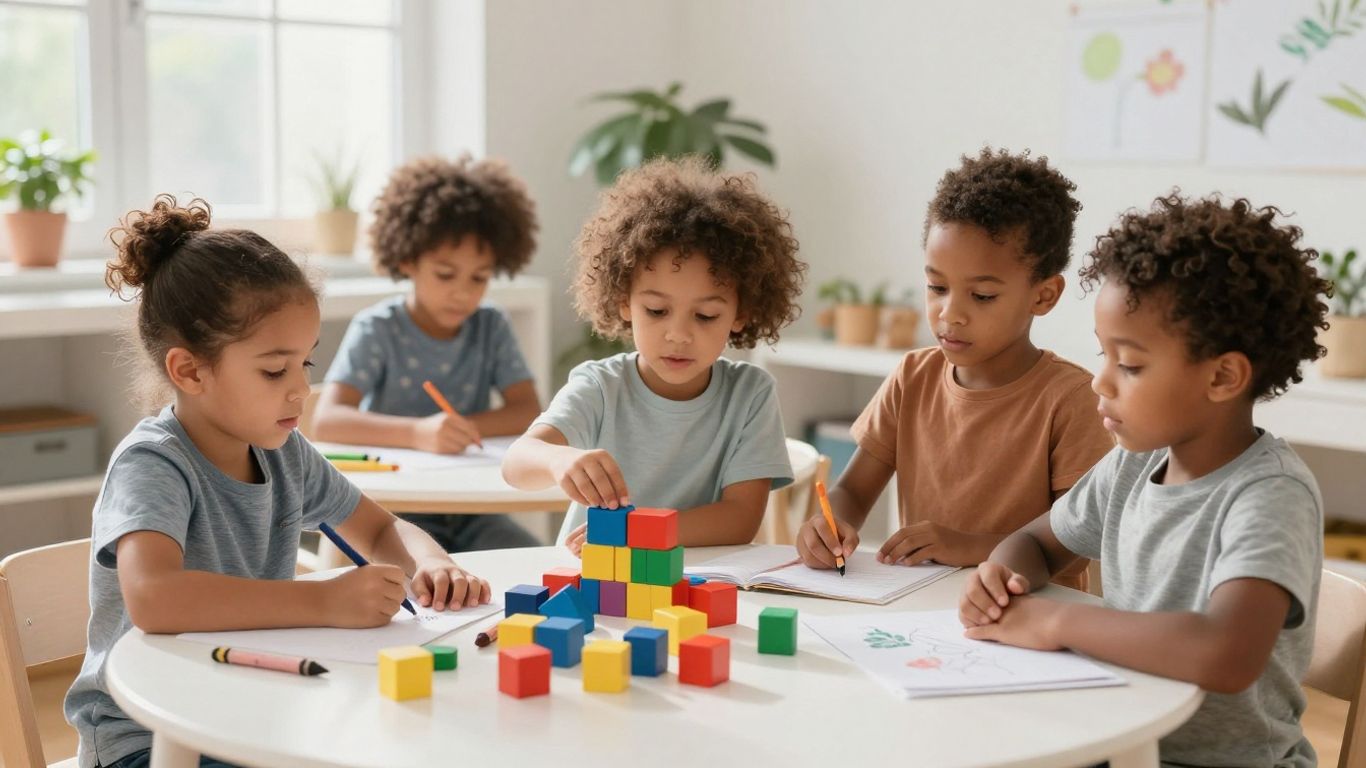
It’s easy to get caught up in what our kids struggle with, right? We see the homework that takes forever, the subject that just doesn’t click, and we want to fix it. But what if we looked at it differently? Focusing on what our children are naturally good at can actually be a more effective way to help them grow, even in the areas where they find things tough. Understanding a child’s unique learning potential isn’t just about academics; it’s about building their confidence from the ground up.
When we spot and support a child’s strengths, we’re doing more than just acknowledging something they do well. We’re giving them a foundation. Think of it like building a house: you need a solid base before you can add the walls and roof. Their strengths are based on that.
Here’s why it’s so important:
- Boosts Self-Esteem: Knowing you’re good at something makes you feel capable. This feeling can spill over into other parts of their life, making them more willing to try new things.
- Improves Problem-Solving: When kids know their strengths, they can use those skills to tackle challenges. For example, a child who is great at puzzles might use that logical thinking to approach a tricky math problem.
- Encourages Engagement: Children are more likely to engage and stay interested in activities when they feel successful.
- Builds Resilience: Facing difficulties is part of life. When a child has a strong sense of their own abilities, they can bounce back more easily when things don’t go as planned.
Sometimes, the best way to help a child with a weakness is to find a strength they already have and use that to support the area they’re struggling with. It’s like using a strong, healthy muscle to help a weaker one recover, rather than just poking at the weak spot.
By paying attention to what lights them up and what they do with ease, we can help them start school not just ready to learn, but ready to shine.
Observing Your Child’s Natural Inclinations
Sometimes, the best way to figure out what your child is good at is to just watch them. It’s like being a detective for their talents. You’re looking for those little clues that show what really makes them tick. This is a big part of identifying kids’ talents and understanding their children’s natural abilities.
What Captures Their Attention?
Think about what your child gravitates towards when they have free time. Are they glued to a book, building elaborate structures with blocks, or constantly asking “why” about how things work? What toys do they pick up first? What shows do they want to watch over and over? These moments of intense focus are goldmines for understanding their interests and potential strengths. It’s not just about what they can do, but what they want to do.
How Do They Solve Problems?
When faced with a challenge, how does your child approach it? Do they try different things until something works? Do they ask for help right away, or do they puzzle over it? Maybe they draw a picture of the problem or explain it out loud. Observing their problem-solving style can give you insights into their thinking process. This is a key part of early learning assessment.
What Activities Do They Gravitate Towards?
Consider the activities your child chooses, both at home and when given options. Do they love messy art projects, even if they don’t look perfect? Are they drawn to music, singing, or dancing? Do they enjoy organizing their toys or helping with simple chores? These choices often point to areas where they feel comfortable and capable, which is great for supporting child development.
It’s easy to get caught up in what kids aren’t good at, but shifting your focus to what they naturally gravitate towards can be really eye-opening. These aren’t just hobbies; they’re often indicators of deeper abilities waiting to be explored and nurtured.
Recognizing Different Types of Learning Strengths
Kids learn in all sorts of ways, and figuring out how your child best takes in information is a big help. It’s not just about what they’re good at, but how their brain seems to work best. Understanding these different learning styles can make a huge difference in how they approach new things.
Think about how your child seems to soak up new ideas. Do they remember things better when they see them, hear them, do them, or read about them? Knowing this can really help you support their learning journey.
Here are some common ways kids learn:
- Visual Learners: These kids often learn best by seeing. They might like looking at pictures, charts, or diagrams. They often remember faces and places well and might doodle or draw when they’re thinking.
- Auditory Learners: For these children, listening is key. They tend to remember what they hear, so lectures, discussions, or even just talking things through can be very effective. They might hum or talk to themselves while working.
- Kinesthetic Learners: These are the doers! They learn best by touching, moving, and experiencing things firsthand. Think hands-on activities, building things, or acting things out. Sitting still for long periods can be tough for them.
- Reading/Writing Learners: This style involves learning through words. They often do well with reading books, taking notes, and writing things down. They might enjoy making lists or reading instructions carefully.
It’s important to remember that most kids use a mix of these styles, and one might be stronger than others. The goal isn’t to put them in a box, but to notice what helps them learn most easily. This can guide how you introduce new concepts or even how you prepare for school.
By paying attention to these preferences, you can help your child feel more confident and capable as they head into their school years. It’s about working with their natural tendencies, not against them.
Creating Opportunities for Discovery
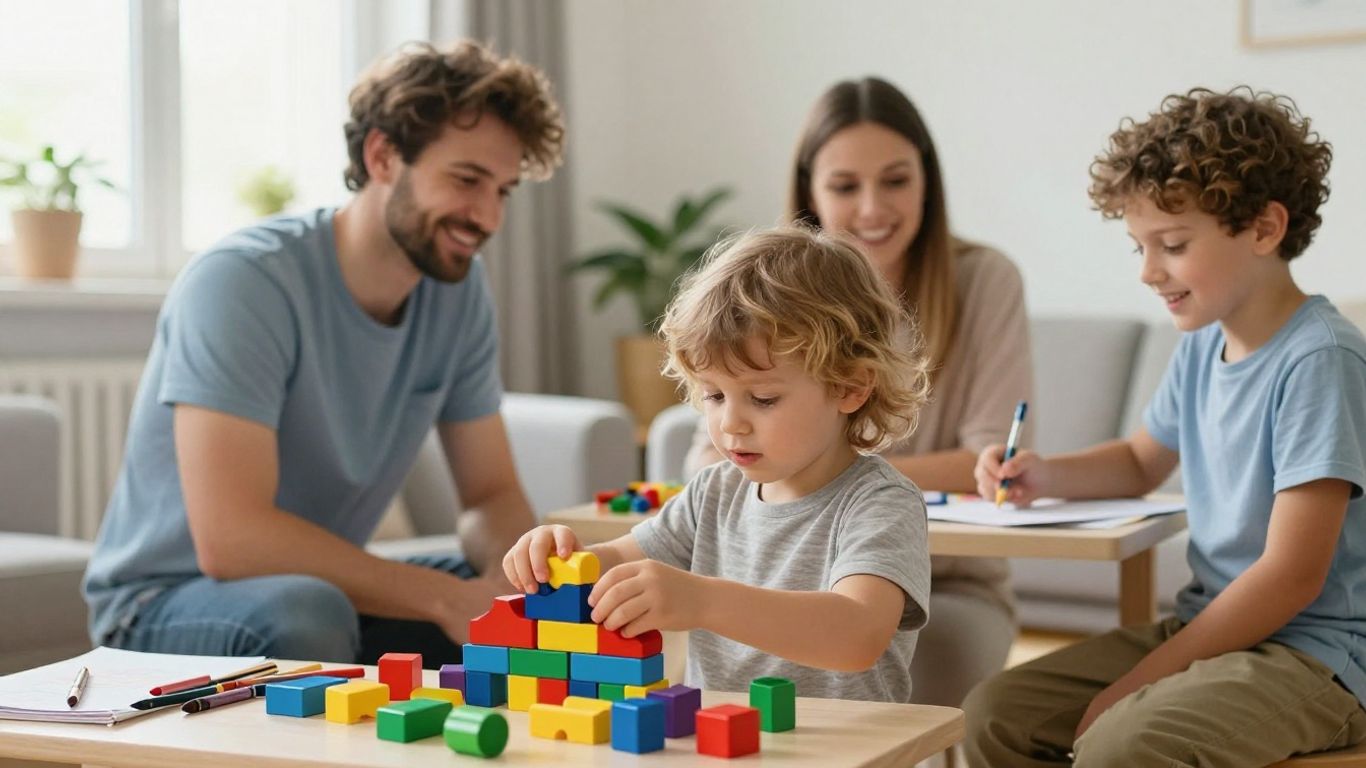
Once you have a general idea of what makes your child tick, it’s time to really let them explore. Think of it like giving them a bunch of different toys and seeing which ones they gravitate towards. The goal here isn’t to force them into anything, but to provide a rich environment where their natural talents can start to show themselves.
Try setting up different ‘stations’ or activities around the house. This could be anything from a simple art corner with paper and crayons to a building block area, or even a quiet spot with books and puzzles. You might also consider:
- Sensory Bins: Fill a container with rice, beans, or water beads and add scoops, cups, and small toys. This is fantastic for tactile learners and can be surprisingly calming.
- Building Challenges: Give them materials like LEGOs, cardboard boxes, or even playdough and suggest a simple challenge, like building the tallest tower or a bridge that can hold a small toy.
- Storytelling Prompts: Write down a few silly opening lines for stories on slips of paper and have them pick one to continue. This can reveal a lot about their imagination and verbal skills.
It’s also a great time to introduce them to new experiences. Maybe a trip to the local library to explore different sections, a visit to a nature center, or even just a walk in a new park can spark unexpected interests. Don’t be afraid to let them try things that might seem a little messy or chaotic – that’s often where the real learning happens.
Remember, the idea is to observe and gently guide, not to direct. Let them lead the way in their own discovery process. It’s about creating a space for them to experiment and for you to see what truly lights them up.
Think about how you can make everyday tasks a bit more of an adventure. For instance, if you’re cooking, let them help measure ingredients or stir. If you’re organizing toys, turn it into a sorting game. These small moments can be incredibly revealing. You can also look into local community events or classes that offer a taste of different activities, like a short music class or a beginner’s art workshop. Preparing for the school year can also be a great opportunity to set up an organized ‘drop zone’ at home for backpacks and supplies, which can help children feel more in control and ready for new routines [e0e5].
Nurturing Strengths for a Confident Start
So, you’ve spent some time figuring out what makes your kid tick, what they’re naturally good at. That’s awesome! Now comes the fun part: helping those strengths really shine before they head off to school. It’s not about fixing what they can’t do, but about building up what they can do. Think of it like tending a garden; you water the plants that are already growing, right?
Focusing on what lights them up is key to building their confidence. When kids feel good about what they’re good at, they’re more likely to try new things and tackle challenges. It’s like giving them a secret superpower for school.
Here are a few ways to keep that momentum going:
- Provide the Right Tools: If your child loves to draw, get them some cool art supplies. If they’re into building, maybe some new blocks or construction kits. Whatever their strength is, give them what they need to explore it more. This could mean books for a budding reader or even just dedicated time for them to play.
- Encourage Practice and Play: Let them do more of what they enjoy. If they’re great at telling stories, encourage them to make up new ones. If they love puzzles, find more challenging ones. It’s about letting them get even better at something they already have a knack for. Sometimes, just letting them explore through role-playing activities can be super beneficial.
- Talk About It: Make it a point to notice and mention their strengths. “Wow, you were so patient helping your sister with that!” or “You figured out that tricky problem really fast!” Positive words go a long way.
It’s easy to get caught up in what our kids struggle with. We see a math problem they can’t solve or a word they mispronounce, and our instinct is to jump in and fix it. But what if we spent just as much time, or even more, noticing and celebrating what they do well? That shift in focus can make a huge difference in how they see themselves and how ready they feel for whatever comes next.
Remember, this isn’t about making them perfect. It’s about helping them feel capable and excited about learning. When they start school feeling good about their own abilities, they’re already ahead of the game.
Discover how to help your child shine by focusing on what they do best. Building on strengths is key to a confident start in learning and life. Ready to see your child thrive? Visit our website to learn more about nurturing their unique talents.
Keep Looking for What Makes Them Shine
So, before school even starts, you’ve got a pretty good idea of what makes your child tick, right? It’s not about finding every single thing they’re not great at. Instead, it’s about spotting those things that light them up, where they naturally do well, or just seem to have a knack for. Focusing on these strengths isn’t just about making them feel good, though that’s a big part of it. It’s about giving them a solid foundation, a confidence boost that can actually help them tackle the tougher stuff later on. Think of it as giving them a secret weapon for school and, well, for life. Keep observing, keep encouraging, and remember, you’re their biggest fan for a reason.
Frequently Asked Questions
Why is it important to find out what my child is good at before school starts?
Knowing your child’s strengths before school helps them feel more confident. When kids know what they’re good at, they’re more likely to try new things and feel good about themselves. It’s like giving them a special tool to start school with, making them feel ready and capable.
How can I spot my child’s strengths if they don’t seem to be good at anything specific?
Every child has strengths! Look at what they enjoy doing in their free time. What games do they play? What do they talk about with excitement? Do they love building things, drawing, telling stories, or figuring out puzzles? These are clues to their natural talents, even if they aren’t obvious school subjects.
What’s the difference between a skill and a true strength?
A skill is something you can learn to do, like playing a few notes on a piano. A strength is something that comes naturally, energizes you, and you’re naturally good at. Your child might have learned to play the piano (a skill), but if they get excited about creating their own music and practice without being told, that’s a strength.
My child struggles with reading. Does this mean they don’t have any strengths?
Absolutely not! A struggle in one area doesn’t mean there aren’t strengths elsewhere. For example, some kids who find reading tricky are super creative, great at solving problems, or have amazing visual thinking skills. These strengths can actually help them learn in different ways.
How can I help my child’s strengths grow?
Once you know what your child is good at, give them chances to do more of it! If they love drawing, get them art supplies. If they’re good at puzzles, find more challenging ones. Support their interests with materials and encouragement. This makes them feel seen and helps them get even better.
What if my child’s strength is something like being really kind or persistent?
Those are incredibly important strengths! Kindness, perseverance, and being a good friend are character strengths that help kids succeed in all parts of life. Encourage these by praising them when they show these qualities and by creating opportunities for them to use them, like in group projects or helping others.