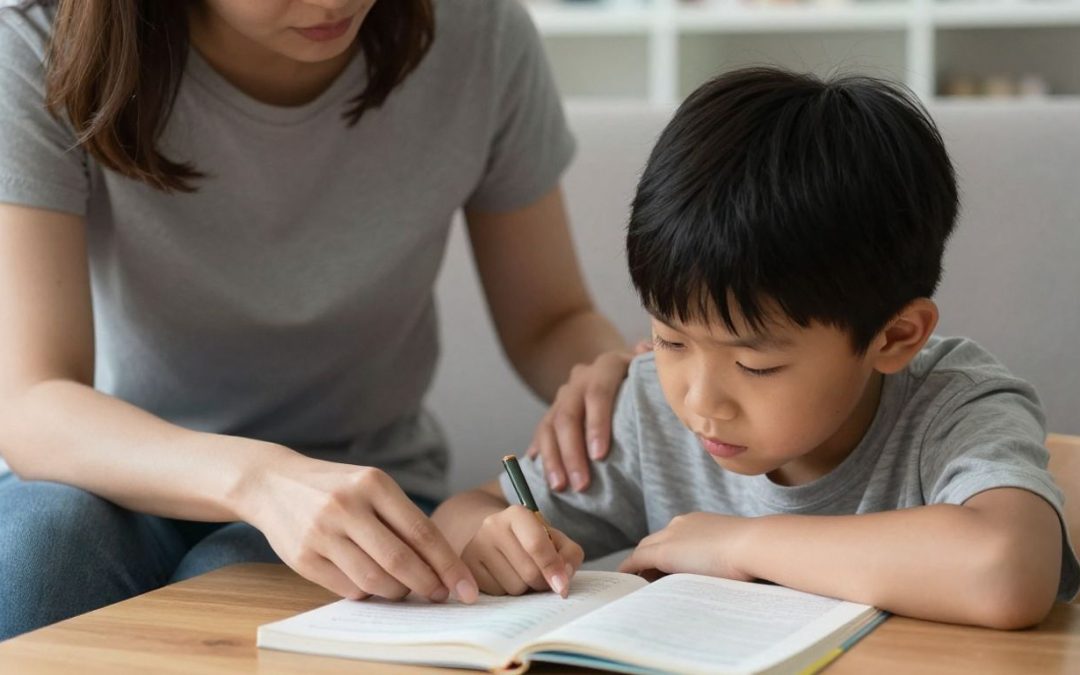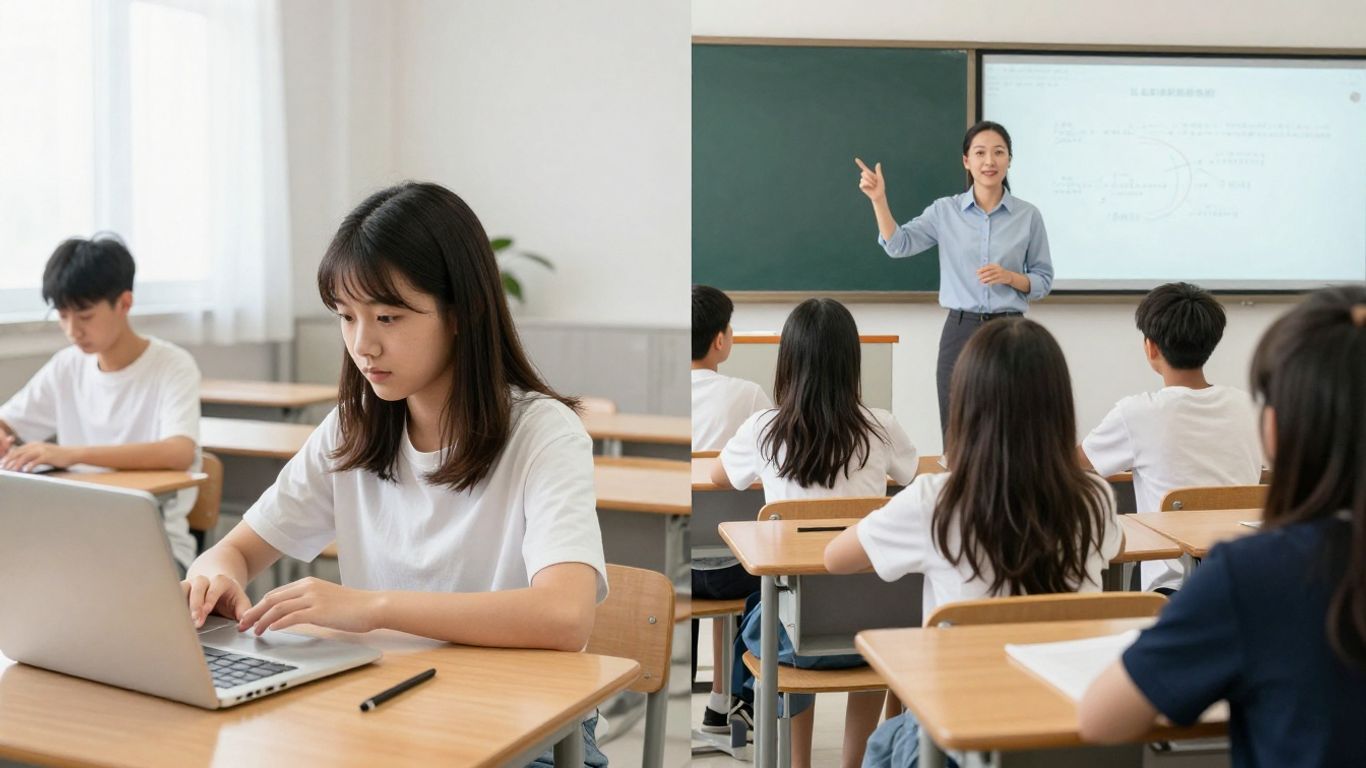
Going back to school in person after a long time away can feel a bit weird, right? It’s like learning to ride a bike again, but for your brain. Suddenly, you’re not just staring at a screen anymore. You’ve got actual people around you, desks, chalkboards (maybe?), and a whole new set of rules to follow. It’s a big change, and for students and teachers alike, it means figuring out how to make this whole in-person learning thing work smoothly. We’ve got some ideas to help ease that transition.
Understanding the Shift: Why Transitioning Back to In-Person Learning Matters
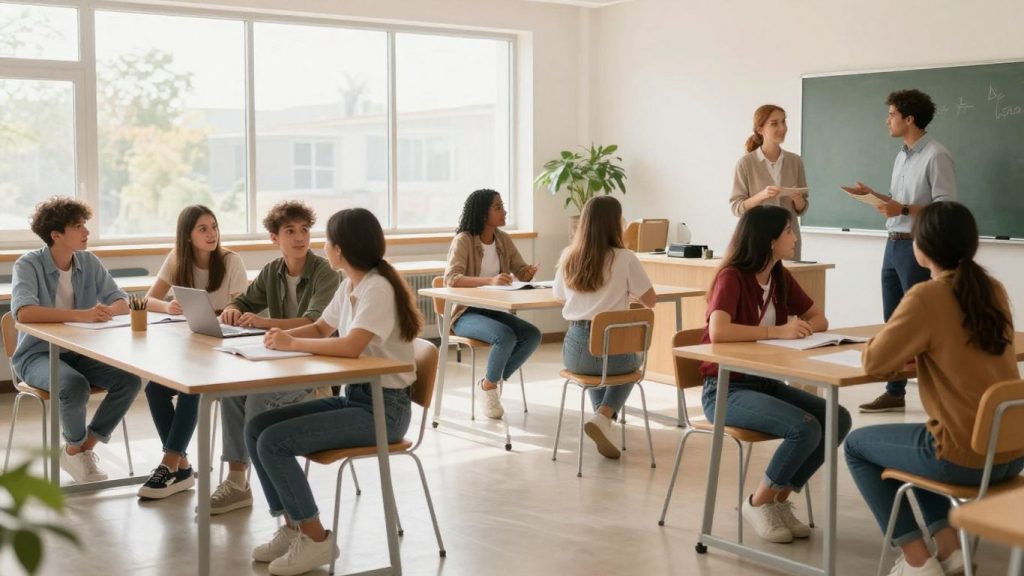
Making the move from remote to in-person education transition is a big deal, and it’s not just about getting back into a physical classroom. There are some real benefits of in-person learning for students that we’ve probably missed over the past year or so. Think about it: the spontaneous hallway chats, the quick questions you can ask a teacher after class, or even just the energy of a room full of people learning together. These things are hard to replicate online.
Students often learn a lot from just being around their peers. They pick up on social cues, learn how to work in groups naturally, and build those important connections that go beyond just academics. For many, the structure of a school day, with set times for classes and breaks, helps them stay on track and manage their time better than they might at home. Plus, teachers can spot when a student is struggling or disengaged much more easily when they’re right there in front of them.
Here are a few key points to remember about why this return is significant:
- Social Development: In-person interaction is key for developing social skills, empathy, and understanding different perspectives.
- Academic Support: Direct teacher feedback, immediate clarification of doubts, and collaborative learning activities are more effective face-to-face.
- Routine and Structure: The physical school environment provides a predictable schedule that can be beneficial for many students’ focus and well-being.
- Engagement: The dynamic of a classroom can often lead to higher levels of student engagement and participation compared to a remote setting.
Challenges Students Face When Returning to the Classroom
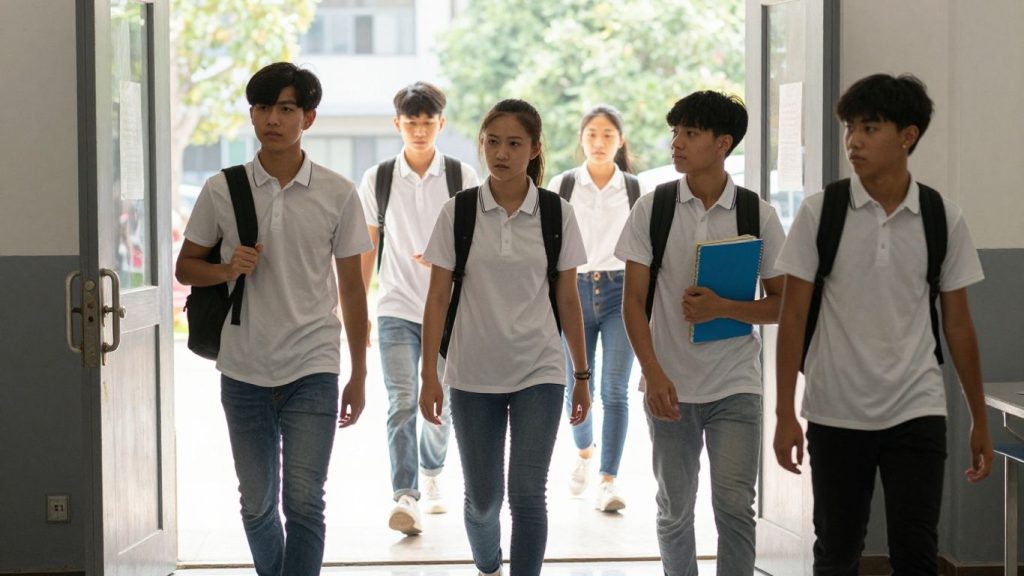
Going back to school in person after a long stretch of remote learning isn’t always a smooth ride for students. It’s a big shift, and kids are dealing with a lot. Many students might feel a bit lost or anxious as they adjust to the new routine and social dynamics.
Prepare Students Mentally for In-Person Learning
Think about it: for a while, school happened on a screen. Students got used to their home setup, their own pace, and maybe even a different kind of focus. Now, they’re expected to sit at a desk, pay attention to a teacher at the front of the room, and interact with classmates face-to-face. This requires a mental reset.
- Adjusting to a Structured Day: Students might struggle with the fixed schedules, bells ringing, and the general pace of a physical school day after the flexibility of remote learning. They may have forgotten how to manage their time effectively within a classroom setting.
- Screen Time Withdrawal: Some students spent so much time online that they might feel a bit disconnected from the physical world or even experience a sort of “digital withdrawal.” This can affect their attention span and their ability to engage with non-digital tasks.
- Navigating New Norms: Reopening schools for traditional classes means new rules, maybe different classroom layouts, and a general shift in how things operate. Students need time to understand and adapt to these changes.
Addressing Social-Emotional Needs and Rebuilding Connections
Beyond the academic side, the social and emotional aspects are huge. Students have missed out on casual hallway chats, group projects in person, and even just the simple act of being around peers. Rebuilding these connections takes effort.
- Social Awkwardness: After being isolated, interacting with peers can feel strange. Students might be shy about speaking up, participating in group activities, or even just making eye contact. This can impact Student Engagement in Classroom Learning.
- Emotional Well-being: The pandemic itself was stressful. Many students experienced anxiety, loneliness, or sadness. These feelings don’t just disappear when they walk back into a classroom. Schools need to be ready to support their mental health.
- Re-establishing Relationships: The bond between students and teachers, and among students themselves, is vital. This needs to be re-nurtured. The Classroom Learning Benefits are amplified when students feel connected and safe.
It’s important to remember that the classroom learning benefits are most pronounced when students feel comfortable and connected. Helping them navigate these social and emotional hurdles is just as important as covering the curriculum.
Encourage Social Interaction and Collaboration
Getting students back into the swing of working together face-to-face after a long stretch of remote learning isn’t always straightforward. It’s like they’ve forgotten how to share a whiteboard or even just make eye contact during a group project. We need to actively help them rebuild those social muscles.
Optimizing Classroom Layout and Resources
Think about how your classroom is set up. Is it easy for students to gather in small groups? Maybe you need to rearrange desks from rows into clusters. It doesn’t have to be a huge overhaul; sometimes just shifting things around makes a big difference. Also, make sure you have the right supplies readily available for group work. If everyone needs markers for a poster, having them in a central spot or in each group’s area cuts down on wasted time and awkward shuffling.
- Arrange furniture to facilitate small group discussions. Think pods or U-shapes instead of straight rows.
- Ensure shared materials are accessible. Group supply bins or easily reachable shelves can help.
- Designate specific zones for different types of activities. A quiet corner for individual work, a larger open space for collaboration.
Integrating Technology Effectively in the Physical Classroom
Technology isn’t just for remote learning anymore. We can use it to make in-person collaboration even better. Think about using shared documents where students can contribute ideas simultaneously, even while sitting next to each other. Or maybe a quick poll using a classroom response system to get everyone’s input before a group task. It’s about blending the best of both worlds.
- Utilize shared digital whiteboards or document platforms. Tools like Google Docs or Miro allow multiple students to contribute in real-time.
- Incorporate quick digital check-ins or polls. Use tools like Kahoot or Mentimeter to gauge understanding or gather opinions before group work begins.
- Consider using classroom management software that supports group channels. Platforms like Microsoft Teams can create dedicated spaces for student groups to share resources and communicate within the physical classroom.
We want to create a classroom where students feel comfortable sharing their thoughts and building on each other’s ideas. It’s not just about getting the work done; it’s about learning how to work together effectively, a skill that’s pretty important outside of school too.
Rethinking Curriculum and Instructional Strategies
Going back to the classroom after a stretch of remote learning means we need to take a good, hard look at what and how we’re teaching. It’s not just about plugging the old lesson plans back in; things have changed, and so have our students. We need to be smart about how we structure our lessons and what we prioritize.
Balancing Direct Instruction with Collaborative Activities
It’s easy to fall back into old habits, but we need to find a sweet spot between teachers talking at students and students working with each other. Think about how much time is spent on direct teaching versus group work. After a period of isolation, getting students to talk and work together is super important. But we also can’t forget the basics. We need to make sure students are getting the core information they need.
- Identify core concepts: What are the absolute must-knows for this unit? Focus on those first.
- Design for interaction: Plan activities where students have to discuss, debate, or build something together.
- Use direct instruction strategically: Keep lectures short and focused, maybe for introducing new ideas or summarizing key points.
- Build in check-ins: After group work, have students share their findings or discuss challenges with the whole class.
Incorporating Feedback Mechanisms for a Smooth Transition
Getting students back into the swing of things requires us to listen and adjust. We can’t just assume everyone is on the same page. Setting up ways for students to tell us what’s working and what’s not is a big deal. This helps us tweak our teaching on the fly and makes students feel heard.
Here are some ways to get that feedback:
- Quick polls: Use simple thumbs up/down or emoji reactions to gauge understanding after a lesson.
- Exit tickets: Have students write down one thing they learned and one question they still have before leaving class.
- Student-led check-ins: Dedicate a few minutes at the start or end of class for students to share their thoughts on the lesson or their learning process.
- Observation: Pay attention to body language and participation during activities. Are students engaged or looking lost?
Regularly asking for and acting on student feedback will make the transition much smoother for everyone. It helps us identify where students might be struggling and allows us to adjust our pace or approach before they fall too far behind.
Supporting Educators Through the Transition
Teachers are the backbone of any educational shift, and this move back to in-person learning is no different. It’s a big change, not just for the kids, but for the adults guiding them too. We need to make sure our teachers feel ready and supported. This means giving them the tools and time they need to adjust.
Think about it: many educators have spent months, maybe even over a year, adapting to online platforms, figuring out new ways to connect with students through screens, and managing their own home lives alongside their professional duties. Now, they’re being asked to pivot again, back to a physical classroom, which brings its own set of challenges and requires a different kind of energy and planning.
Here are a few things that can really help:
- Professional Development Tailored to the Shift: Instead of generic training, offer workshops that specifically address the unique needs of returning to in-person instruction. This could cover managing classroom dynamics after a period of remote learning, strategies for re-engaging students who may have disengaged online, and techniques for addressing the social-emotional impacts of the pandemic on students.
- Dedicated Planning Time: Teachers need actual, protected time to rework lesson plans, adjust classroom setups, and collaborate with colleagues. Squeezing this in after school or during lunch breaks just won’t cut it. Think about providing a few dedicated professional development days or adjusting schedules to allow for this crucial planning.
- Mental Health and Well-being Resources: The stress of constant change and the emotional toll of supporting students can be immense. Schools should provide access to counseling services, mindfulness sessions, or simply create a culture where it’s okay for teachers to admit they’re struggling and need support. A supported teacher is a more effective teacher.
- Clear Communication and Consistent Support: Administrators need to be visible and communicative. Clearly outline expectations, provide ongoing feedback, and be available to troubleshoot problems. Knowing that leadership understands the difficulties and is actively working to help can make a world of difference.
Wrapping It Up
So, shifting back to in-person classes after a stretch of remote learning isn’t exactly a walk in the park. It takes some real thought and planning to make it work smoothly for everyone. Remember to keep those lines of communication open with parents and students, get your lesson plans in order, and be ready to adjust your expectations a bit. By focusing on these strategies, we can help make this transition feel less like a scramble and more like a successful step forward for our students and ourselves. It’s all about being prepared and staying flexible, you know?
Frequently Asked Questions
Why is going back to school in person important after learning online?
Going back to school in person helps students learn better because they can interact directly with teachers and classmates. It’s easier to ask questions, work together on projects, and feel more connected to what they’re learning. Plus, being in a classroom helps build important social skills that are harder to develop when learning from home.
What are some common problems students might face when returning to the classroom?
Students might feel a bit nervous or unsure about being back in school. They might miss the flexibility of online learning or feel out of practice with classroom routinesEdSome might also find it hard to focus at first or feel a little shy about talking to friends and teachers after being away for a while.
How can teachers help students feel more comfortable and connected in the classroom?
Teachers can help by creating a welcoming environment and planning activities that encourage students to talk and work together. Starting with fun icebreaker games or group projects can help students reconnect. It’s also important for teachers to check in with students and offer support if they seem worried or are having trouble adjusting.
How can the classroom setup help with the transition back to in-person learning?
Arranging desks so students can easily see each other and work in small groups can make a big difference. Having materials readily available and creating a space that feels organized and inviting helps students focus. It’s also good to have areas for quiet work and areas for collaboration, giving students options for how they learn best.
What’s the best way to prepare students for the change from online to in-person classes?
Talk openly with students about what to expect when returning to school. Remind them of classroom rules and routines, and discuss how to handle challenges like staying focused or asking for help. Practicing these things before they return can make the actual transition much smoother and less stressful for everyone.
How can parents help their children adjust to being back in school?
Parents can help by talking to their children about their feelings and any worries they might have. Establishing a consistent daily routine, including regular sleep and meal times, can make a big difference. Encouraging good study habits and communicating regularly with the school about how their child is doing also provides valuable support.